
Turning Your Truck into a Rolling Workshop: The Ultimate Guide to a Mobile Service Business
Summary
Imagine this: you pull up to a client’s home or job site, and within minutes, your truck transforms into a fully-functional workshop. No more lost time commuting back to a shop. No more overhead eating your profits. Just you, your […]
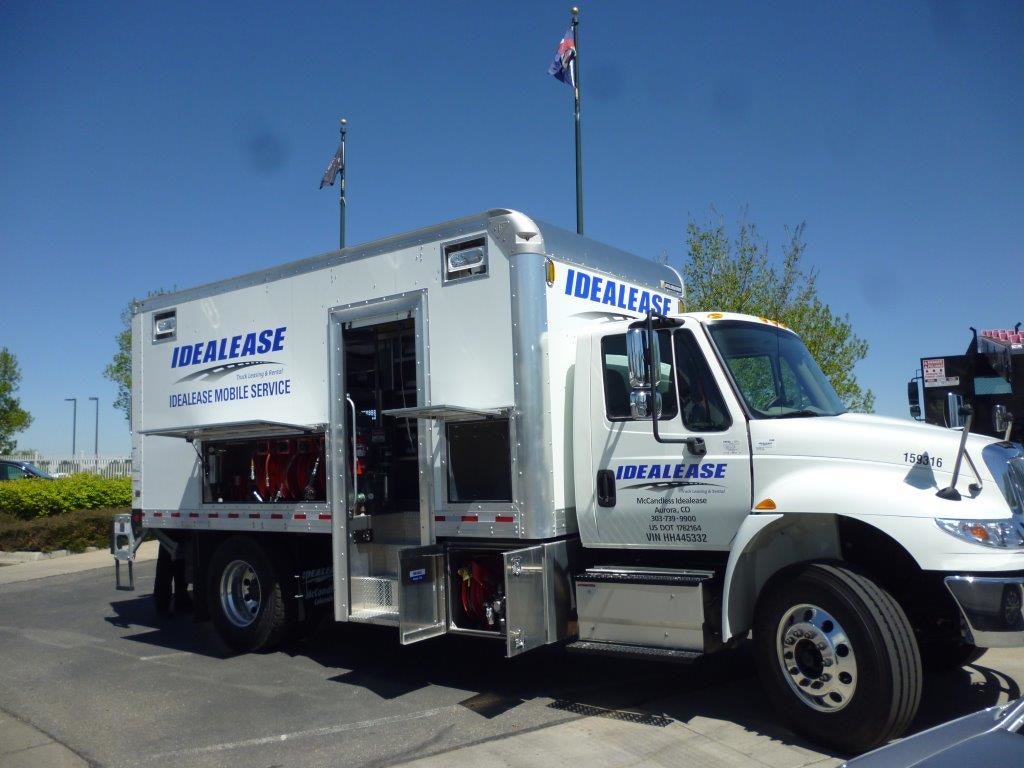
Imagine this: you pull up to a client’s home or job site, and within minutes, your truck transforms into a fully-functional workshop. No more lost time commuting back to a shop. No more overhead eating your profits. Just you, your skills, and the open road. That’s the power of a mobile workshop business.
Honestly, it’s a game-changer. For tradespeople, technicians, and craftspeople, the truck isn’t just a vehicle anymore—it’s the ultimate business model on wheels. Let’s dive into how you can build a professional, profitable mobile service business from the ground up.
Why Go Mobile? The Undeniable Advantages
Here’s the deal: the traditional brick-and-mortar model is feeling the squeeze. Rent is high, and customers are busier than ever. A mobile truck workshop solves those pain points beautifully. You bring the service directly to them. It’s convenience incarnate, and people pay a premium for that.
Think about it from the customer’s perspective. They don’t have to take a half-day off work to wait for a technician. There’s no need to tow a broken lawnmower across town. You show up, fix the problem on the spot, and they get their day back. That goodwill is marketing gold.
For you, the benefits stack up fast. Lower startup costs (no shop lease!). A service area you control. And a direct, personal connection with every client that builds loyalty faster than any ad campaign ever could.
Choosing Your Rig: More Than Just a Truck
Not all trucks are created equal for a mobile workshop setup. Your choice is the foundation of your entire operation. You need to match the vehicle to your trade’s specific demands.
Key Considerations for Your Mobile Workshop Truck
| Truck Type | Best For | Key Considerations |
| Full-Size Pickup (e.g., F-250, Silverado 2500) | Carpenters, landscapers, general handymen. | Payload capacity, towing for trailers, bed accessibility. |
| Cargo Van (e.g., Sprinter, Transit, Promaster) | HVAC techs, electricians, plumbers, appliance repair. | Stand-up height, secure interior storage, shelving options. |
| Service Body / Utility Truck | Heavy-duty trades: welding, machining, field mechanics. | Integrated lockable compartments, built-in workbenches, maximum tool security. |
Beyond the model, think about durability and reliability. This truck is your livelihood. A breakdown means missed appointments and a hit to your reputation. Invest in something robust, and for goodness sake, get the right insurance—commercial auto insurance is non-negotiable for a mobile business vehicle.
The Art of the Setup: Designing Your Rolling Workshop
This is where the magic happens. Transforming an empty shell into an efficient, safe workspace. The goal? Every tool has a home, and you can find anything in seconds, blindfolded. Well, maybe not blindfolded, but you get the idea.
Storage & Organization is Everything
Chaos kills productivity. Start with heavy-duty shelving units bolted to the frame. Use drawer systems for smaller items—they’re worth every penny. Pegboard on the interior walls is a classic for a reason. For loose parts, get a bin system with clear labels.
And security? It’s huge. You’re carrying thousands in inventory. Think locking compartments, a secure bulkhead between cab and cargo, and maybe even a simple alarm. It’s a deterrent that lets you sleep at night.
Powering Your Mobile Operation
You can’t run power tools off hopes and dreams. A dual-battery system in your truck is a smart start, but for serious power, you need an inverter generator. They’re quieter, fuel-efficient, and safe for sensitive electronics.
More pros are now adding solar panels to the roof of their vans or trucks—a trickle charge for batteries, powering interior lights and phone chargers. It’s a green trend that also adds a layer of self-sufficiency.
Building the Business, Not Just the Truck
A beautiful mobile workshop is just a tool. The real work is building the business around it. This is where many talented folks stumble, honestly. They’re great at their trade but new to being a CEO.
Legal & Administrative Must-Dos
Don’t wing this. Form an LLC to protect your personal assets. Get the proper business licenses for your city and state. And insurance—we mentioned commercial auto, but also look into general liability and tool insurance. It feels like paperwork purgatory now, but it’s your shield later.
Marketing Your Mobile Workshop Service
Your truck itself is a moving billboard. A clean, professional wrap with your logo, phone number, and website is advertising you don’t pay for every time you drive. Beyond that, your online presence is your storefront.
A simple, clean website that clearly states your service area and specialties is crucial. Claim your Google Business Profile—this is how people find “mobile mechanic near me” or “on-site appliance repair.” Encourage happy customers to leave a review there. That social proof is everything.
The Daily Grind: Making It Work on the Road
Running a mobile business has its own unique rhythms. You’re managing a warehouse, a workshop, an office, and a vehicle all at once. Efficiency isn’t just nice; it’s survival.
Use scheduling apps to cluster appointments by geographic area to minimize drive time. Keep a digital inventory on your phone so you know when to restock parts. And always, always do a nightly “reset”—clean the truck, restock from your home base, and prepare for the next day. That 20-minute habit saves hours of weekly frustration.
Remember the human element, too. You’re entering people’s personal spaces—homes, driveways, businesses. A clean uniform, shoe covers, and a professional demeanor build trust instantly. It’s the little things that turn a one-time job into a recurring client.
Scaling Your Mobile Workshop Business
What happens when you’re booked solid? You have options. You could raise your rates—a simple, effective move. You could add a second truck and hire a technician, becoming a manager. Or, you could niche down further, specializing in high-end, complex services that command even higher fees.
Some folks even add a small trailer for more storage or specific equipment, expanding their on-site capabilities without needing a bigger truck. The path isn’t one-size-fits-all.
In the end, building a professional mobile workshop business is about freedom. Freedom from the shop’s four walls. Freedom to build direct relationships. Freedom to shape your day and your future. It’s not always easy—the road is literally your office—but the autonomy, the direct impact you see, and the life you can build… well, that’s the real payoff. Your truck isn’t just a vehicle; it’s the key to a different way of working.