
How Climate Change and Extreme Weather Are Forcing Auto Insurance to Change
Summary
Think about the last big storm in your area. Maybe it was a flood that turned streets into rivers, or a hailstorm that left cars looking like golf balls. These aren’t just bad luck anymore—they’re becoming the new normal. And […]
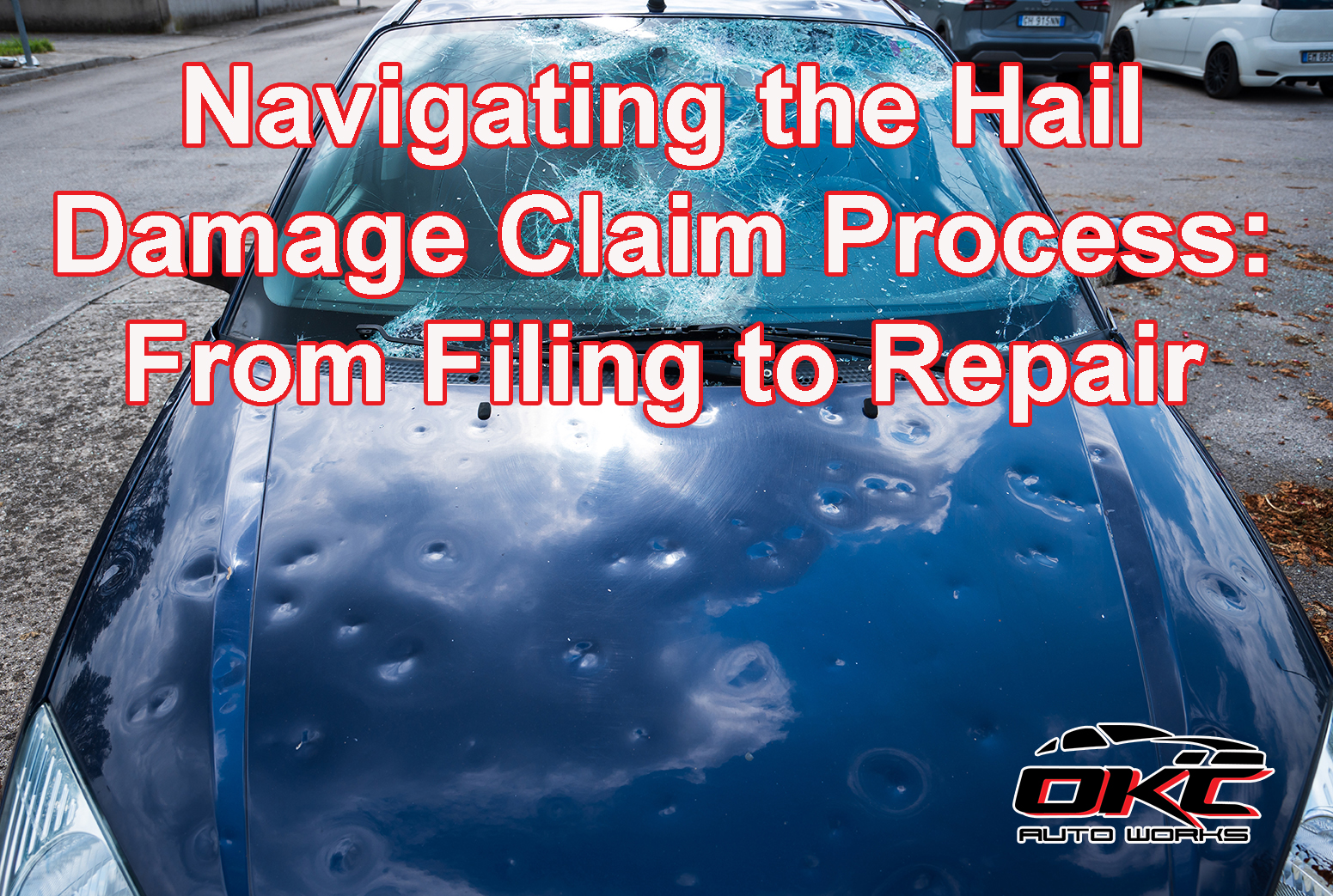
Think about the last big storm in your area. Maybe it was a flood that turned streets into rivers, or a hailstorm that left cars looking like golf balls. These aren’t just bad luck anymore—they’re becoming the new normal. And honestly, they’re turning the auto insurance world upside down.
For decades, car insurance was pretty predictable. It was based on things like your driving record, your car’s make and model, and where you lived. But now, “where you live” carries a whole new, volatile weight. Climate change and its parade of extreme weather events are fundamentally reshaping policies, premiums, and the very definition of coverage. Let’s dive into what that means for your wallet and your peace of mind.
The New Risk Landscape: It’s Getting Personal (and Expensive)
Insurance is, at its core, a game of risk calculation. Companies use historical data to predict future losses. Well, that playbook is out the window. Historical data is no longer a reliable guide when “once-in-a-century” storms start hitting every few years.
This uncertainty is the engine driving change. Insurers are now using hyper-granular climate models and real-time weather data to assess risk—sometimes down to your specific ZIP+4 code. Living a few blocks from a creek or in a “micro-climate” prone to sudden, intense hail could now impact your rate more than a fender-bender from five years ago.
Where the Rubber Meets the Road: Specific Policy Shifts
So, what does this look like in practice? Here are the key ways your policy is being reshaped, whether you’ve noticed it yet or not.
1. The Surge in Comprehensive Claim… Everything
Comprehensive coverage used to be the less-talked-about part of your policy—the one for theft, fire, or, you know, a random tree branch. Now, it’s front and center. It’s what covers flood damage, hail dents, and losses from wildfires. As these events skyrocket, so do comprehensive claims.
The result? Insurers are scrutinizing this coverage like never before. In high-risk zones, you might see:
- Higher Deductibles for Specific Perils: Instead of a flat $500 comprehensive deductible, you might have a separate, much higher deductible (think $2,500 or more) just for hurricane or hail damage.
- Outright Exclusions: In some coastal areas, getting any flood coverage on an auto policy is becoming impossible, pushing drivers to seek separate, specialized coverage—if they can find it.
- Mandatory Add-Ons: Conversely, in hail-prone states, “hail endorsements” or riders are becoming common, adding another layer to your premium.
2. Geographic Redlining 2.0: The Climate Factor
The industry is quietly redrawing the risk map. Entire regions are being reassessed, leading to dramatic premium hikes or even non-renewals for drivers in areas deemed too vulnerable. This isn’t about crime rates anymore; it’s about flood plains, wildfire perimeters, and “Tornado Alley” expansion.
Some carriers are simply pulling out of certain states or counties altogether. This reduces their exposure and leaves a shrinking pool of insurers for residents, which—you guessed it—drives prices even higher. It’s a painful cycle.
3. The Rise of “Parametric” and Niche Insurance
Here’s where things get innovative, maybe out of necessity. To fill gaps, new models are emerging. Parametric insurance is a big one. Instead of paying out based on the assessed value of your loss, it pays a pre-agreed amount when a specific parameter is met—like a hurricane making landfall as a Category 3 at your location.
It’s faster (no claims adjuster needed) and clearer. You’re also seeing niche insurers pop up who only cover specific climate risks, offering a lifeline where traditional markets retreat.
What This Means for You, the Driver
Okay, so the big picture is clear. But on a personal level, what should you do? It’s about becoming a more proactive policyholder.
| Your Action Item | Why It Matters Now |
| Audit Your Policy Line-by-Line | Don’t just glance at the premium. Look for new deductibles, exclusions, or endorsements related to flood, hail, or wind. Know exactly what triggers a payout. |
| Re-evaluate “Full Coverage” | “Full coverage” is a myth. Ensure your comprehensive limits actually match the replacement cost of your car in today’s market. Underinsuring is a huge risk. |
| Shop Around More Frequently | Loyalty discounts are being drowned out by climate risk calculations. Shopping every 2-3 years is no longer disloyal; it’s smart financial sense. |
| Consider Telematics | If your driving data is good, a usage-based (telematics) program might help offset some geographic premium increases by proving safe habits. |
The Road Ahead: Adaptation and Hard Choices
The auto insurance industry is, in a way, the canary in the coal mine for climate economics. Its shifts reveal the direct financial toll of a warming planet. And the adaptation is going to be messy.
We’ll likely see more public-private partnerships, maybe even state-backed insurance pools for the highest-risk areas—similar to what exists for flood insurance now. Regulation will struggle to keep pace. And for consumers, the concept of “affordable coverage” in certain locales may simply… evaporate.
This forces a tough, new calculation. When you choose where to live or what car to buy, the future cost of insuring it against climate threats is a variable that can no longer be ignored. It’s becoming as important as the mortgage or the loan payment itself.
In the end, the relationship between your car and the sky above it has become inextricably linked, mediated by a monthly premium that feels more like a bet on the weather than a promise of protection. The policy is changing because the planet already has.