
The Intersection of Cycling and Urban Foraging: A Guide to Two-Wheeled Treasure Hunts
Summary
Honestly, have you ever been on a bike ride and spotted a fruit-laden tree hanging over a sidewalk? Or maybe a patch of wild greens thriving in a forgotten corner of a park? You’re not just seeing plants. You’re seeing […]
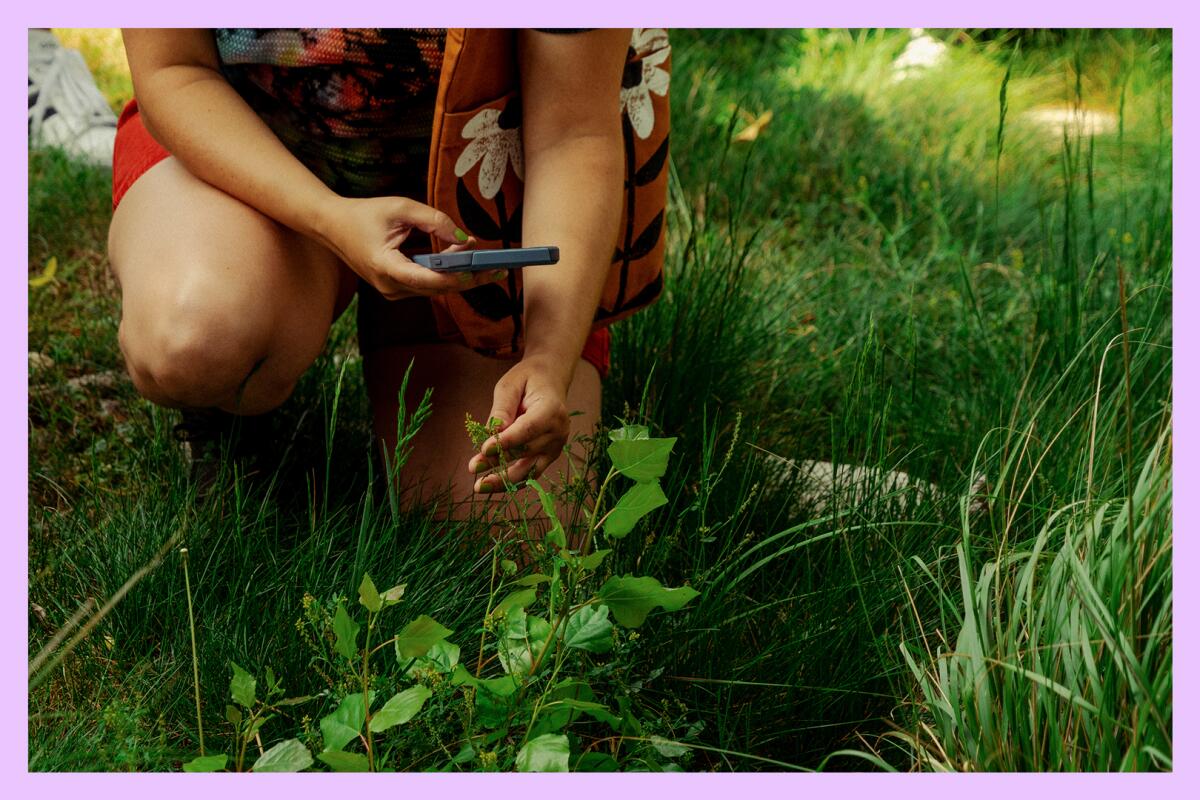
Honestly, have you ever been on a bike ride and spotted a fruit-laden tree hanging over a sidewalk? Or maybe a patch of wild greens thriving in a forgotten corner of a park? You’re not just seeing plants. You’re seeing lunch. And getting to it by bike? Well, that’s where the magic happens.
Let’s dive in. The intersection of cycling and urban foraging is this beautiful, almost rebellious synergy. It combines the slow, observant pace of foraging with the efficient, liberating range of a bicycle. It’s not just a hobby; it’s a mindset. A way to re-map your city not by streets and traffic, but by seasons, flavors, and hidden bounty.
Why the Bike is the Perfect Foraging Companion
Think about it. A car is too fast and isolating. Walking is limited by distance. But a bicycle? It’s the Goldilocks zone of urban exploration. Here’s the deal:
- Stealth & Access: You can slip down alleyways, hop onto park paths, and stop on a dime. No parking hassles. That mulberry tree behind the community garden? Much easier to approach quietly on two wheels.
- The Sensory Experience: On a bike, you’re in the environment. You feel the breeze, smell the rain on pavement and, crucially, the scent of linden trees in bloom. You notice more. Speed is just right for spotting a flash of red that might be autumn olives or serviceberries.
- Practicality: A simple basket or pannier is perfect for holding a harvest of apples, greens, or mushrooms. It’s a low-impact, zero-emission way to gather your wild food. You’re literally fueling your ride with your ride.
Gearing Up: The Urban Forager-Cyclist’s Toolkit
You don’t need much. Really. But a few key items transform a casual ride into a fruitful expedition. Here’s a basic setup.
| Item | Purpose | Pro Tip |
| Sturdy Baskets/Panniers | Carrying harvest & gear. Avoid backpacks—they crush delicate finds. | Line with a cloth bag or old pillowcase for easy cleaning. |
| Small Foraging Bag/Container | For separating different finds (e.g., berries from mushrooms). | Reusable mesh bags are breathable and prevent squishing. |
| Field Guide & Phone | 100% positive plant ID is non-negotiable. No exceptions. | Use apps like iNaturalist to learn, but cross-reference with a physical book. |
| Light Gardening Gloves | Protection from thorns, nettles, or unknown plants. | Tuck into your bike frame bag for easy access. |
| Water & Snack | Foraging is physical! Stay fueled and hydrated. | …Maybe you’ll replace that snack with foraged finds. |
And your bike? Honestly, any bike that’s comfortable works. A city bike, a hybrid, even a gravel bike for those rougher urban edges. The goal is reliability, not speed.
The Forager’s Code: Ethics and Safety on Two Wheels
This is crucial. We’re guests in these spaces. The sustainability of the practice—and your reputation—depends on doing it right.
1. Identify, Then Identify Again
If you’re 99% sure, you’re not sure. Never eat anything you can’t identify with absolute certainty. This is the number one rule of safe urban foraging. Period.
2. The Rule of “Fraction”
Take only a fraction of what you see—often recommended as no more than 10-20%. Leave plenty for wildlife, for the plant to regenerate, and for other foragers who might come after you. This is especially key for urban cycling forage routes that might be well-known.
3. Location, Location, Location
Avoid areas sprayed with herbicides or heavy with pollution. Don’t forage right next to busy roads. Think about water runoff. The back corner of an organic community garden? Great. The traffic median? Not so much.
4. Permission & Discretion
If it’s clearly private property, ask. Be discreet and respectful in public spaces. The goal is to blend in, not draw negative attention to the practice. A bike helps with this—you’re just a cyclist taking a break.
Mapping Your Flavorful City: Seasonal Finds
Your city is a seasonal tapestry of food, if you know how to look. Here’s a loose, very general guide to what you might spot from your saddle through the year.
- Spring: Tender dandelion greens, wild garlic/ramps (if sustainable!), chickweed. The bright, bitter flavors of renewal.
- Summer: Berries! Mulberries, black raspberries, wineberries. Linden flowers for tea. This is the sweet, abundant season.
- Autumn: The big one. Apples, pears, walnuts, hackberries, rose hips. A time of abundance and preservation.
- Winter: Evergreen needles for tea (pine, spruce), rose hips still clinging on. A time for observation and planning next year’s routes.
The Deeper Ride: More Than Just Free Food
Sure, the tangible harvest is fantastic. A handful of blackberries picked on a summer ride tastes infinitely better than anything from a plastic clamshell. But the real yield is… different.
Cycling and foraging together force you into a state of hyper-present awareness. You’re navigating traffic, yes, but you’re also scanning the periphery for shapes and colors. You learn the micro-climates of your city—where the sun hits a wall to create an early apricot harvest, which neighborhoods have older, forgotten fruit trees.
It builds a radical, intimate familiarity with your home. You start to connect with the history of a place—that gnarled apple tree was likely planted by a homeowner decades ago. You’re participating in a quiet, sustainable local food system, one that bypasses supermarkets entirely.
And let’s be real—in a world of constant digital noise, there’s a profound peace in a simple, physical quest. The whir of your chain, the rustle of leaves, the satisfying *plink* of a berry hitting your metal basket. It’s a form of active meditation.
Getting Started: Your First Pedal-Powered Forage
Feeling inspired? Good. Here’s a simple plan for your first trip. Keep it easy.
- Pick One Target Plant. Start with something super easy and unmistakable. In summer, that’s often mulberries or black raspberries. In fall, maybe apples. Don’t try to learn everything at once.
- Plan a Low-Traffic Route. Use bike paths, quiet neighborhood streets, or large parks. You want to be able to stop safely and look without stress.
- Go Slow. This isn’t a training ride. Crank down a gear. Let your eyes wander. Look up at trees, down at sidewalk cracks.
- Harvest Sparingly. Remember the fraction rule. Taste, appreciate, and leave most of it.
- Process Your Haul When You Get Home. Wash everything thoroughly. Make a simple syrup with your berries, or a salad with your greens. Savor the direct connection between your effort and your meal.
That’s it. The intersection of cycling and urban foraging isn’t marked on any official map. You have to find it yourself, pedal stroke by pedal stroke, looking closely at the world just off the shoulder of the path. It turns every errand, every commute, into a potential treasure hunt. And honestly, that changes everything. You’ll never see your city—or your bike—the same way again.